
Choosing the Right Plastic for Injection Moulding: A Practical Guide
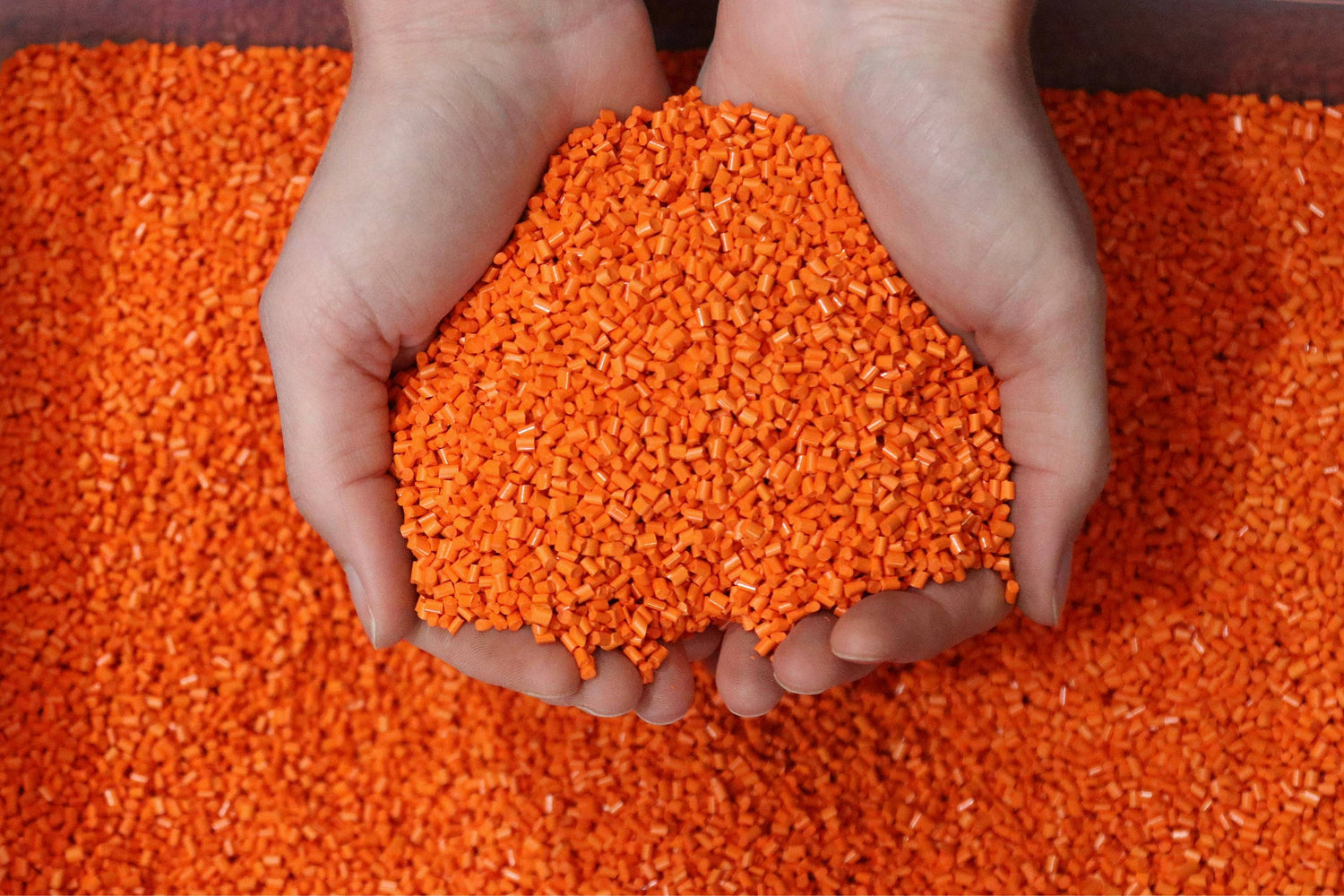
Selecting the appropriate plastic for an injection moulded part is a critical decision in the product development process. While the visual appearance of plastics may seem similar at first glance, the underlying properties vary significantly. These differences can determine not only how well a part performs, but also how reliably it can be produced, assembled, and used in real-world conditions.
In this guide, we explore the essential considerations in material selection for injection moulding - starting with functional requirements, reviewing common resins and their typical applications, and concluding with practical strategies to minimise material-related risk during development.
Begin with Function
The most effective way to begin selecting a plastic is to ask a simple but fundamental question: what does the part need to do?
Understanding the part’s purpose and its environment will quickly narrow the field of suitable materials. For instance, will the part support mechanical load or impact? Does it need to flex, bend, or snap together without breaking? Will it be exposed to moisture, heat, UV radiation, or industrial chemicals? Appearance may also play a role - some applications demand optical clarity, others specific colours or surface finishes.
Consider a transparent enclosure for electronic components. This application calls for a material with high clarity and strength - polycarbonate is typically the best candidate due to its transparency and excellent impact resistance. On the other hand, a snap-fit clip that must flex repeatedly without breaking would be better suited to polypropylene, a material known for its fatigue resistance and flexibility.
Common Plastics and Their Applications
Among the wide range of polymers available for injection moulding, a handful of materials are used in the majority of applications. Each has specific mechanical, thermal, and chemical properties that make it better suited to particular types of parts.
Acrylonitrile butadiene styrene (ABS) is a widely used plastic, valued for its toughness, impact resistance, and ease of machining. It is often chosen for housings, enclosures, and structural parts in automotive, electronics, and consumer products. While not suitable for very high-temperature environments, it offers a good balance of performance and cost.
Polypropylene (PP) is another common choice. It is lightweight, highly resistant to chemicals, and especially well-suited for parts that require flexibility, such as living hinges or snap-fit features. However, its lower melting point limits its use in high-heat applications.
For applications where clarity and impact resistance are important, polycarbonate (PC) is often preferred. It is used in lighting lenses, safety equipment, and protective covers. While strong and thermally stable, it can be brittle under prolonged stress and may require careful design to avoid cracking.
Nylon, or polyamide (PA), is known for its high wear resistance and mechanical strength. It is frequently used in parts that experience motion or friction, such as gears and bearings. One consideration when using nylon is its tendency to absorb moisture, which can affect dimensional stability over time.
High-density and low-density polyethylene (HDPE and LDPE) offer excellent chemical resistance and flexibility. These materials are commonly found in packaging, chemical containers, and industrial tanks. However, they are not suitable for high-precision applications or parts requiring tight tolerances.
In high-performance environments - such as aerospace, medical devices, and heavy industrial equipment - engineers may turn to engineered plastics such as PEEK, PPS, Acetal, TPU, or TPE. These materials offer advanced properties, including high thermal resistance, chemical stability, and long-term durability, but they typically come at a significantly higher cost.
Key Factors Influencing Material Selection
Beyond basic material properties, engineers must evaluate a range of factors that influence the suitability of a plastic for a given application.
Strength is often the first consideration: will the part bear mechanical load, resist impact, or need to maintain structural integrity over time? Flexibility is another crucial factor, particularly for parts with living hinges, snap-fits, or components that must endure repeated stress without failure.
Appearance requirements - such as colour, gloss, or transparency—can limit the range of acceptable materials. Some resins offer superior surface finishes or colourability, while others may require post-processing to meet aesthetic standards.
Chemical resistance is essential in environments where parts are exposed to oils, solvents, fuels, or cleaning agents. Regulatory compliance may also influence material choice, especially in industries such as food processing, healthcare, and consumer electronics, where plastics must meet specific certifications or safety standards.
Temperature tolerance is often overlooked but critically important. A plastic that performs well at room temperature may deform or fail when exposed to elevated temperatures. Finally, considerations of cost, both in terms of raw material price and manufacturing efficiency, can be decisive, particularly for high-volume production.
Surface finish is another technical aspect worth noting. Certain plastics accept textures or polishes better than others, which can affect both the functional and visual quality of the part.
Minimising Risk Through Testing
Even with thorough upfront analysis, uncertainty may remain around the optimal material for a given part. In these cases, structured testing can dramatically reduce the risk of material-related issues in production.
One approach is to mould test parts using two or more candidate materials. This allows direct comparison of performance, fit, finish, and manufacturability. Resin compatibility testing can also be conducted to evaluate how a plastic behaves with other materials in the assembly, such as adhesives, fasteners, or coatings.
Many injection moulding providers offer material consultation services, where experienced engineers can review your design, functional requirements, and production goals to recommend suitable resins. Engaging in this dialogue early in the process can prevent costly tooling changes and delays.
Conclusion: Material Choice is Engineering in Practice
Choosing the right plastic for injection moulding is not simply a matter of selecting from a list. It is an engineering decision that affects every stage of the product lifecycle, from tooling and processing to performance, aesthetics, and longevity.
Understanding how different plastics behave, and how their properties align with your application’s needs, is essential to successful part design. By considering function, environment, and manufacturability - and by working closely with materials experts - you can ensure that your parts are not only well-designed, but made from the right material for the job.
For teams seeking additional support, our engineering department offers hands-on guidance, sample moulding in multiple materials, and compatibility testing. Whether you're working on a medical device, a rugged industrial component, or a consumer product with strict aesthetic demands, we can help you make the best possible material choice.
0 comments